
More Than Just Skeletons
Living abroad for years and experiencing life in different countries, I have to admit that back home in Mexico, I never quite grasped the full beauty of the Day of the Dead because I took it for granted.
I’ve noticed that Halloween is far more popular globally, especially in the US and Canada. I often wondered if this was due to Halloween’s commercial and "fun" approach compared to the profound, spiritual significance of Día de Muertos. To truly appreciate both, we have to look past the surface and dive into where they come from and what they mean.
So, I thought it would be a good idea to break down these celebrations, dive into where they come from and what they mean, to really appreciate them both.
When is Day of the Dead?
A common question for those planning to join the festivities is, when is Day of the Dead?
While Halloween is strictly celebrated on October 31st, Día de Muertos is actually a multi-day event. It officially takes place on November 1st and November 2nd.
-
November 1st (Día de los Inocentes): Dedicated to the souls of children who have passed away.
-
November 2nd (Día de los Muertos): The main celebration dedicated to adults and the most well-known day of the holiday.
Understanding the Similarities Between Day of the Dead and Halloween
At first glance, it’s easy to see why the two are often confused. Both occur at the turn of the season, when the nights grow longer and the "veil" between the living and the dead is traditionally believed to be at its thinnest.
Key similarities include:
-
The Imagery of Death: Both celebrations prominently feature skeletons, skulls, and graveyard visits.
-
Costumes and Masks: Both traditions involve "dressing up," though the intentions range from warding off spirits to mocking death itself.
-
The Presence of Food: Whether it is "trick-or-treating" for candy or placing pan de muerto on an altar, offerings of food are central to the rituals.
However, once you look beneath the orange and black decorations, the heart of these two traditions beats to a very different rhythm.
Comparing Origins: Ancient Roots and Sacred Traditions
Day of the Dead: A Celebration of Life
1. Aztec and Indigenous Roots: Day of the Dead, or Día de Muertos, has ancient origins dating back to indigenous Mesoamerican cultures, particularly the Aztecs. They had a month-long celebration dedicated to the goddess Mictecacihuatl, known as the "Lady of the Dead", who along with her husband, Miclantecuhtl, ruled over the land of Mictlán, the lowest level of the underworld where the dead live. Her role was to guard the bones of the deceased and preside over festivals of the dead.

2. Catholic Influence: During the 16th century Spanish invasion of Mexico, Catholicism was introduced to the indigenous population. The Spanish missionaries incorporated their Catholic customs, such as All Saints' Day and All Souls' Day, with existing indigenous rituals, giving rise to the modern Day of the Dead.
3. Ofrendas and Altars: Central to Day of the Dead is the creation of ofrendas (altars) in homes and cemeteries. These thoroughly crafted displays serve as sacred spaces to memorialize and mourn the departed loved ones. These ofrendas are adorned with marigold flowers (known as cempasúchil), candles, incense, and the deceased's favorite foods and beverages. The purpose is to invite the souls of the departed back to the world of the living for a brief reunion.

4. La Catrina: A creation of Mexican artist José Guadalupe Posada, the elegant skeletal figure known as "La Catrina" has become an iconic symbol of Day of the Dead. The man behind this iconic figure, stated: “Death is democratic. At the end, regardless of whether you are white, dark, rich or poor, we all end up as skeletons.” "La Catrina" represents the idea that death is a natural and equalizing part of life. It encourages people to celebrate and remember their loved ones rather than fear death.
5. Community and Remembrance: Day of the Dead is a communal celebration that encourages families and communities to come together to honor and remember those who have passed away. Families visit cemeteries to clean and decorate the graves of their loved ones, bringing offerings and sharing stories to keep the memories of the departed alive.

Halloween: Warding Off the Dark
1. Celtic Origins: Halloween has roots in the ancient Celtic festival of Samhain (pronounced sah-win), which was observed over 2,000 years ago in what is now Ireland, the United Kingdom, and northern France. The harvest season came to an end on Samhain, and winter officially started. The Celts believed that on the night of October 31st, the boundary between the worlds of the living and the dead was at its thinnest, allowing spirits to make their way into the realm of the living.

2. All Saints' Day: The Church aimed to replace pagan festivities with Christian ones as Christianity expanded throughout the Celtic countries. In the 8th century, Pope Gregory III founded All Saints' Day, also known as All Hallows' Day, on November 1st to commemorate saints and martyrs. The previous night, October 31, took on the name All Hallows' Eve, eventually evolving into Halloween.
3. Symbolism: Halloween's Celtic and Christian roots are reflected in the costumes, jack-o'-lanterns, and spooky motifs. The custom of carving pumpkins into jack-o'-lanterns comes from the Irish legend of "Stingy Jack," a man condemned to walk the earth with only a hollowed-out turnip to light his way. As to why the use of costumes, according to Celtic mythology, evil deities would play pranks on people on the evening of October 31st, right before the new year arrived. The Celts established a custom of lighting bonfires and dressing in animal costumes as dusk fell, in order to protect themselves from these supernatural tricks and ward off evil spirits.

4. Modern Celebrations: Today, Halloween is a secular holiday which means that it is widely celebrated without a specific religious or spiritual focus. It has transcended its initial purpose as a night to ward off spirits, becoming a multicultural and inclusive occasion that unites communities in the spirit of festivity. It is usually celebrated with costume parties, trick-or-treating, haunted houses, and a plethora of spooky decorations. It has embraced a feeling of whimsy, creativity, and playful exploration of the bizarre and unsettling, providing an opportunity for people of all ages to come together, and experience the thrill of the uncanny in a spirit of pure fun and friendship.

A Timeless Tribute to Remembrance
As we see, while these two holidays share visual cues, their spirits are distinct. One offers a thrill and a sense of whimsy, while the other provides a profound way to process grief and celebrate the continuity of family.
In Mexico, we don't just remember the departed; we carry their stories with us. This philosophy is the inspiration behind my Day of the Dead Silver Jewelry collection.
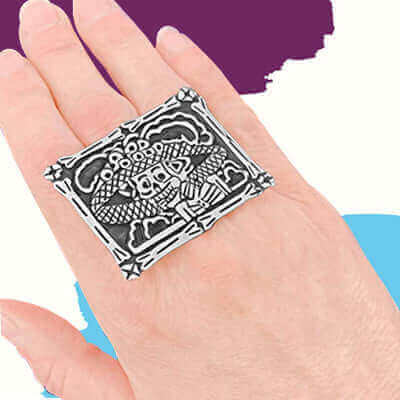
Handcrafted by master artisans in Taxco, Mexico, these pieces—from the iconic Catrinas to intricate and playful silver skeletons—are designed to be wearable tributes to this beautiful heritage.
By wearing these pieces, you carry a small part of Mexican artistry and a reminder that our loved ones are never truly gone as long as we keep their memory alive.


