

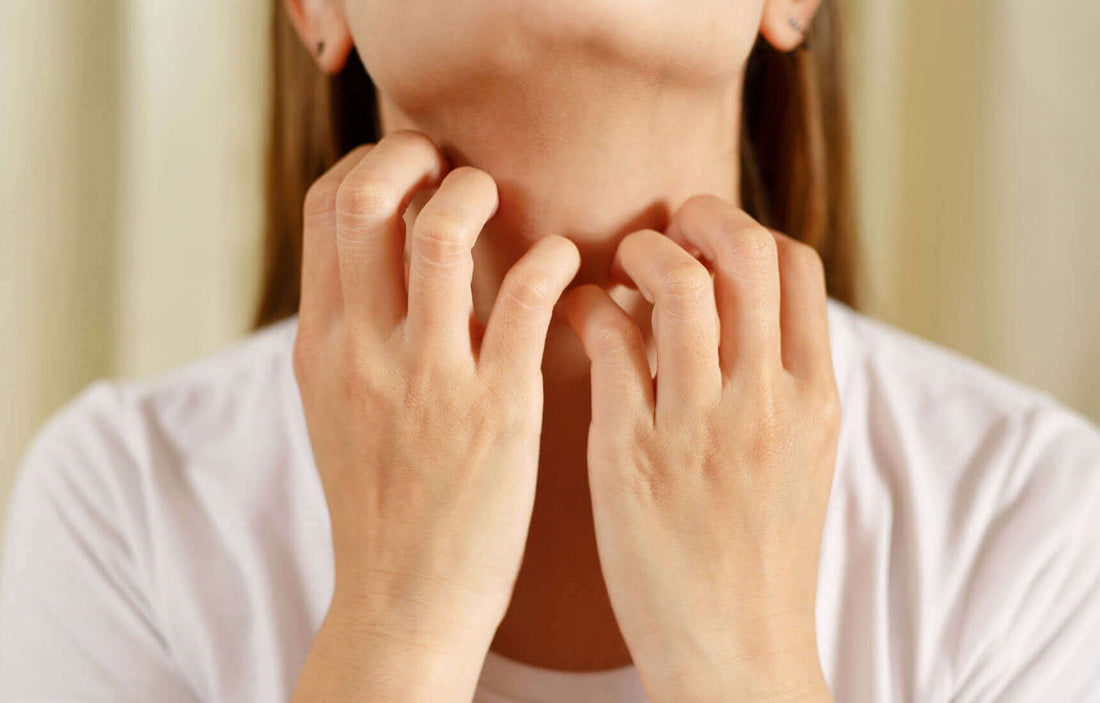
If you're looking for hypoallergenic jewelry, sterling silver is one of the best choices—but only when it's made with the right alloy.
Many people with sensitive skin experience itching, redness, or irritation after wearing jewelry. In most cases, the problem isn't the silver itself—it's nickel, a common metal added to lower-quality jewelry alloys. Understanding what makes jewelry truly hypoallergenic can help you wear beautiful pieces comfortably and confidently.
After more than 15 years of sourcing sterling silver directly from artisan workshops in Taxco, Mexico, I've learned that not all sterling silver is created equal. The quality of the alloy matters just as much as the silver content. In this guide, I'll explain what hypoallergenic jewelry really means, why nickel-free sterling silver is ideal for sensitive skin, and how to choose jewelry you can wear every day without irritation.
Authentic .925 sterling silver made with copper instead of nickel is generally considered hypoallergenic and safe for most people with sensitive skin. However, some manufacturers use nickel in their silver alloys, which can trigger allergic reactions.
What is Hypoallergenic Jewelry?
Hypoallergenic jewelry is made from materials that are less likely to cause allergic reactions. While no jewelry can be guaranteed allergy-proof for every individual, high-quality metals significantly reduce the risk of irritation.
The most common cause of jewelry allergies is nickel, a metal frequently used in inexpensive jewelry and some lower-quality sterling silver alloys. People with a nickel allergy may experience:
- Itching
- Redness
- Swelling
- Rash
- Contact dermatitis
- Irritation around pierced ears or skin contact points
Choosing nickel-free jewelry is one of the best ways to prevent these reactions.
Want to understand silver purity?
Is Sterling Silver Hypoallergenic?
In most cases, yes.
Sterling silver is legally defined as 92.5% pure silver and 7.5% alloy metals. Since pure silver is too soft for everyday jewelry, another metal is added to improve strength and durability.
Traditionally, especially in Taxco, Mexico, sterling silver is alloyed with copper. Copper is considered safe for the vast majority of people and preserves the natural warmth and beauty of silver. Unfortunatlely, some mass-produced jewelry replaces copper with nickel because it is:
- Less expensive
- Harder
- Brighter in appearance
While this reduces manufacturing costs, it also increases the likelihood of allergic reactions. The silver itself is rarely the problem—the alloy makes all the difference.
Why Nickel-Free Jewelry Matters
Nickel allergy is one of the most common metal allergies worldwide. Once someone develops a nickel allergy, it generally becomes lifelong. Even brief contact with nickel-containing jewelry may trigger discomfort.
That's why choosing nickel-free hypoallergenic jewelry is so important. Benefits include:
- Reduced risk of skin irritation
- Comfortable everyday wear
- Safer for newly pierced ears
- Better for people with eczema or sensitive skin
- Greater confidence wearing jewelry for long periods
When shopping, don't rely solely on the word "hypoallergenic." Instead, look for sellers who openly disclose the metals used in their alloys.
Why I Choose Authentic Taxco Sterling Silver
Taxco, Mexico, has earned an international reputation for producing some of the world's finest sterling silver jewelry. For generations, artisans have followed traditional silversmithing techniques using high-quality .925 sterling silver alloyed with copper instead of nickel.
However, not every workshop follows these standards. That's why I work exclusively with workshops certified by the Consejo Regulador de la Plata (Silver Regulatory Board). This certification helps verify that the silver meets .925 purity standards and follows traditional nickel-free alloy practices.

After years of visiting workshops and working directly with artisans, I've learned that transparency and craftsmanship matter just as much as beautiful design.
Interested in the history of Mexican silver?
How to Tell if Jewelry Is Truly Hypoallergenic
If you are navigating the world of silver with sensitive skin, keep these markers in mind:

- Check the Source: Always buy from reputable sellers who disclose the alloy composition and source their jewelry from certified workshops.
- Avoid Nickel-Infused Silver: If the price seems too good to be true, be cautious about the alloy’s composition. Sterling silver pieces that cause skin irritation may contain nickel. If you experience any discomfort, stop wearing the piece immediately.
- Buy from Reputable Sellers: Whether from brick-and-mortar shops or online, always choose trusted sellers who are transparent about their products. Ask questions about the sourcing and craftsmanship of the jewelry to ensure you’re getting high-quality pieces that won’t cause irritation.
- Use Protective Coatings: If you already own a piece you love but it's causing irritation, applying a clear nail polish coat on the inner surface can create a barrier, preventing direct contact between the metal and your skin. Reapply it as needed to keep the barrier effective.
- Opt for Quality Finishes: Rhodium plating can add an extra layer of protection, preventing tarnish and reducing skin contact with alloys. While traditional Taxco silver celebrates the raw glow of the metal, I can arrange custom rhodium plating through our artisans if your skin requires that extra layer of protection.
Is Rhodium-Plated Sterling Silver Better?

Rhodium is a rare and valuable metal from the platinum family that enhances durability, prevents tarnishing, and provides a natural hypoallergenic surface. However, rhodium plating can wear off over time and may need re-plating depending on usage.
Does Taxco Silver Jewelry Come with Rhodium Plating?
Taxco silver jewelry typically does not come rhodium-plated, as it is crafted with high-quality sterling silver that is nickel-free, which enhances its natural beauty and durability. The pure alloy used allows the silver to shine on its own, showcasing the craftsmanship behind each piece.
However, as the saying goes, "the customer gets what they ask for". If you would like your jewelry rhodium-plated, I can arrange this directly with the artisans to create a customized piece just for you. Please feel free to reach out to me at mariarocher@nuevesterling.ca, and I'll tae care of the rest.
Choose Jewelry That Loves Your Skin
Your jewelry should be an expression of who you are, not a source of irritation. By choosing authentic hypoallergenic jewelry made from nickel-free sterling silver, you can enjoy timeless craftsmanship without compromising your comfort.
Knowing where your jewelry comes from—and how it's made—allows you to wear each piece with confidence, appreciating both its beauty and its heritage.

Expert Insight
"After more than 15 years sourcing sterling silver directly from Taxco artisans, I've found that most skin reactions are caused not by silver itself, but by nickel-containing alloys used in lower-quality manufacturing.
That's why every piece I curate comes from workshops committed to traditional sterling silver craftsmanship and nickel-free alloy practices whenever possible. Quality isn't only about appearance—it's about comfort, transparency, and trust."
— Maria Rocher
Curator, Nueve Sterling
FAQ About Hypoallergenic Jewelry
Is sterling silver hypoallergenic?
Yes. Authentic .925 sterling silver alloyed with copper is generally considered hypoallergenic and suitable for most people with sensitive skin. Lower-quality sterling silver containing nickel may cause allergic reactions.
What is the best hypoallergenic jewelry for sensitive skin?
Nickel-free sterling silver, titanium, platinum, and high-karat gold are among the best options for sensitive skin.
Can hypoallergenic jewelry still cause an allergic reaction?
Yes. "Hypoallergenic" means less likely to cause an allergic reaction—not impossible. Individual skin sensitivities vary.
How do I know if sterling silver contains nickel?
Ask the seller directly. Reputable jewelers should disclose the alloy composition. Jewelry that causes itching or redness may contain nickel or other inexpensive base metals.
Why does sterling silver sometimes turn my skin green?
This is usually caused by a harmless reaction between the copper in sterling silver and your skin's natural chemistry, perspiration, or cosmetics. It is entirely different from a nickel allergy.
Is Taxco sterling silver hypoallergenic?
Traditional Taxco sterling silver is typically alloyed with copper instead of nickel, making it an excellent choice for most people with sensitive skin. Purchasing from certified workshops provides additional confidence in the metal's purity.
Is rhodium-plated silver better for allergies?
Yes. Rhodium plating adds a hypoallergenic protective barrier over sterling silver, reducing direct skin contact with the underlying alloy while also helping prevent tarnish.
Can I wear sterling silver every day if I have sensitive skin?
Yes. High-quality, nickel-free sterling silver is designed for everyday wear and is one of the most recommended jewelry metals for people with sensitive skin.
How can I verify that my jewelry is authentic sterling silver?
Look for a .925 hallmark, purchase from reputable jewelers, and ask about the alloy composition. If absolute verification is required, professional laboratory testing is the only way to confirm the metal's exact composition.


